CBG Cascade Logistics
From your CBG plant to the pump — by road.
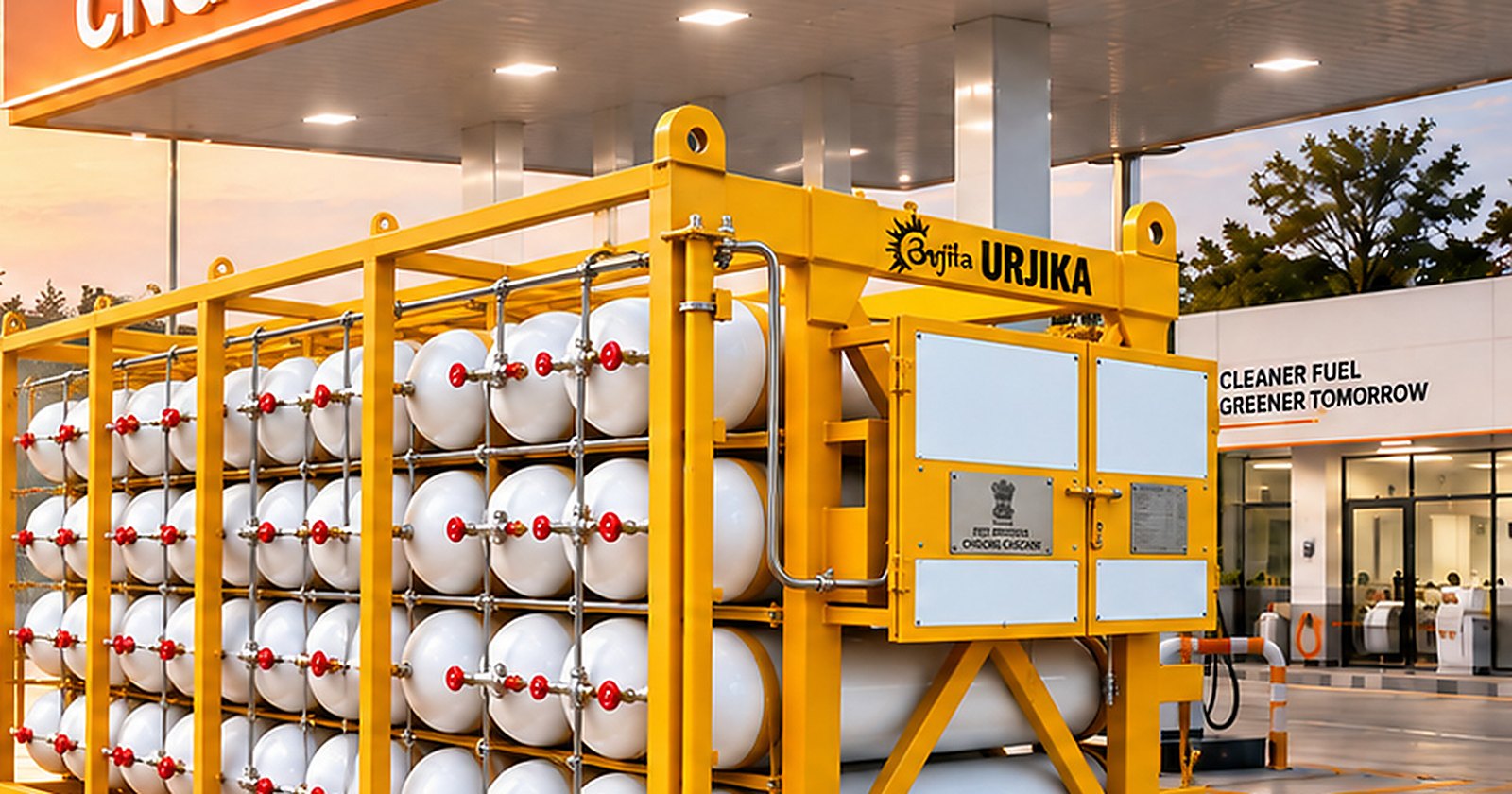
No pipeline? No problem. We engineer the complete road link for your gas — cascades, LCV filling posts at the plant and decanting posts at the station — sized so every kilogram you produce reaches a customer the same day.
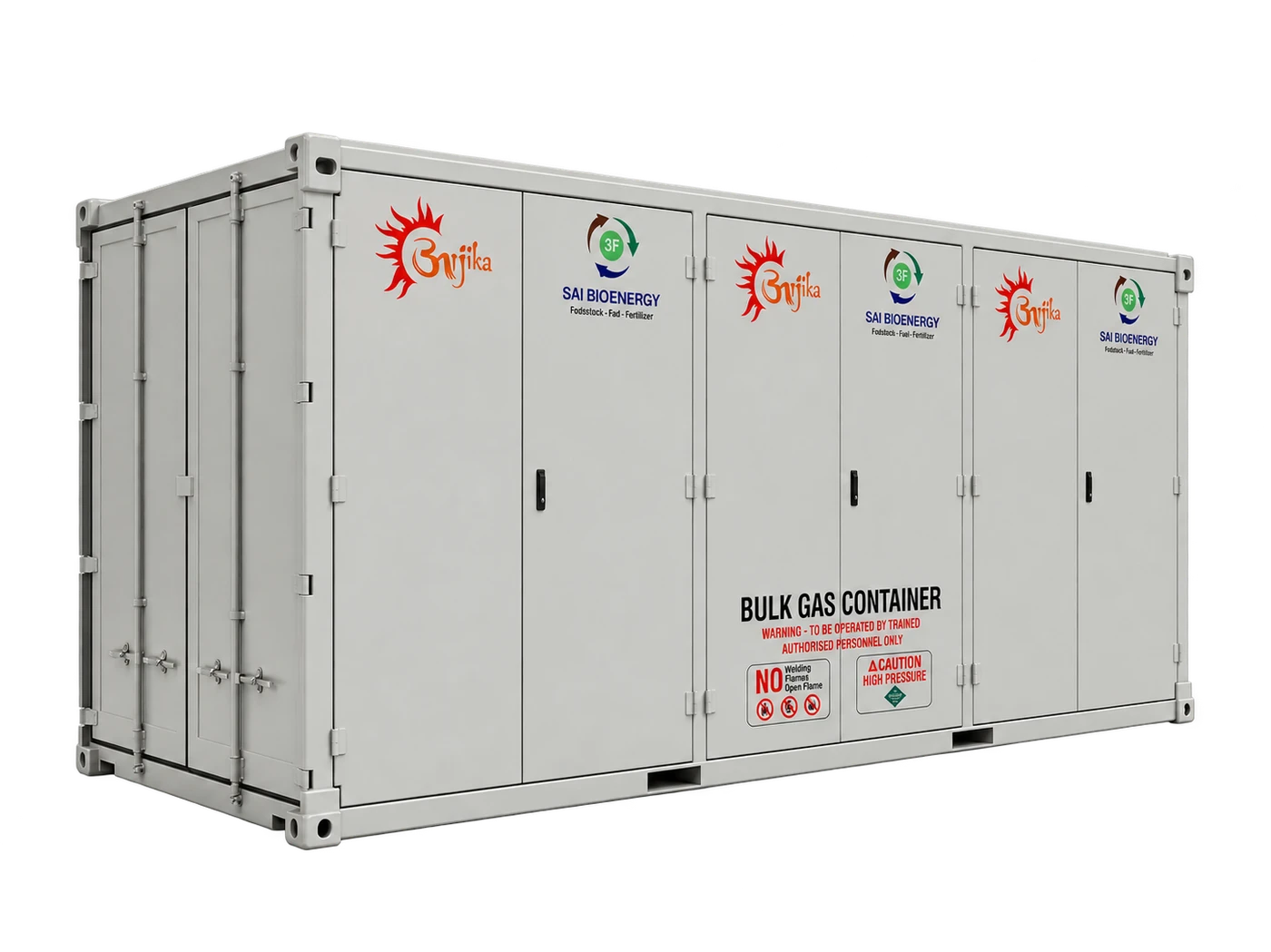
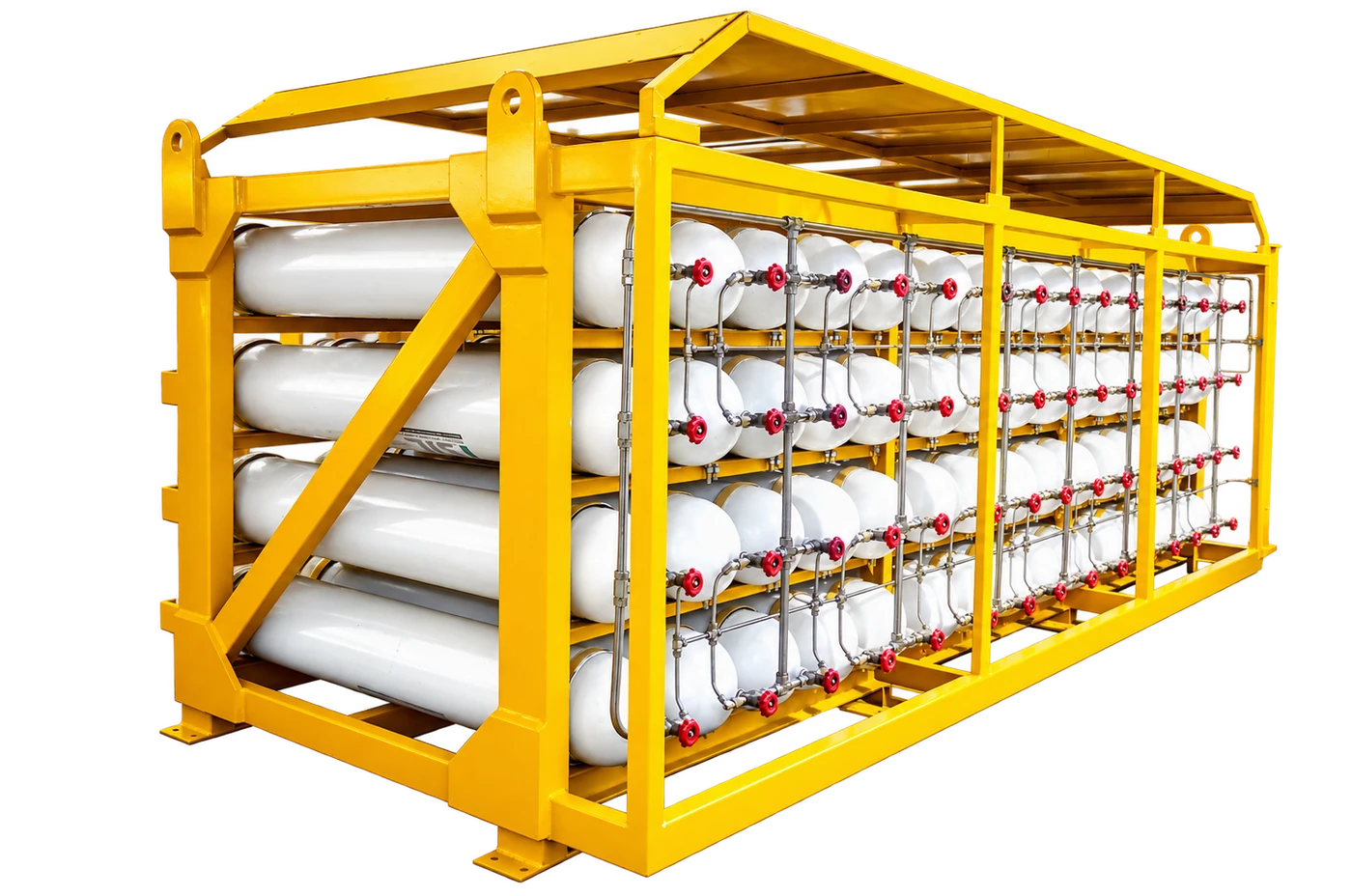
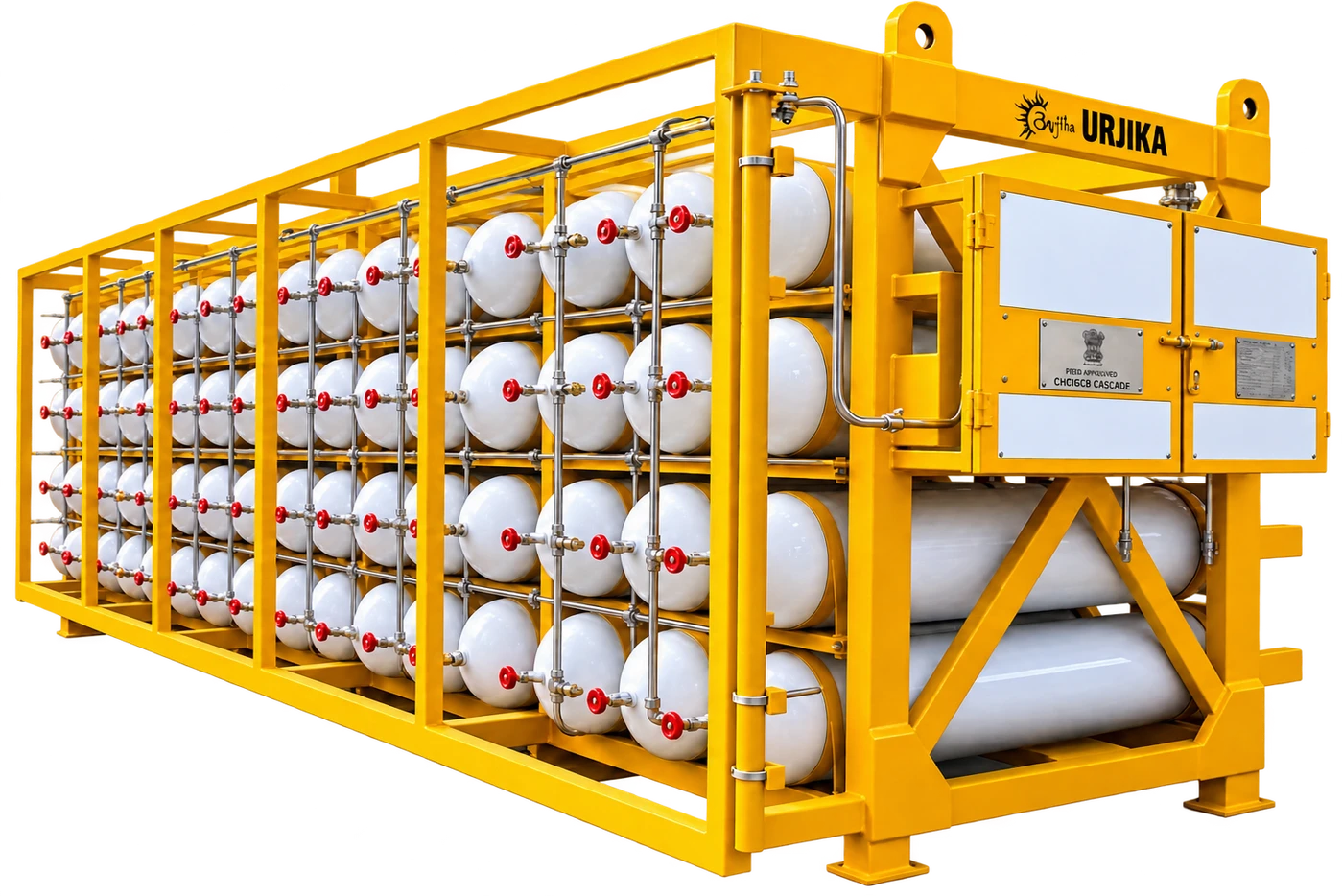
Sell every kilogram your CBG plant makes
Most CBG plants are far from a gas grid. Cascades carried by truck — a “virtual pipeline” — let you supply your own and partner CBG stations, fleets and industries, wherever they are.
Reach beyond the pipeline
A right-sized fleet
Plant and station in balance
One responsible partner
One cascade’s round trip
Each cascade loops between your plant and the station. The time one loop takes — the turnaround — decides how many cascades you need.
Fill at CBG plant
Transport
Decant at station
Return
Turnaround
Rule of thumb: the longer the route and the slower the decanting, the more cascades you need.
How many cascades do I need?
Four steps. The example uses 10,000 kg/day, a 50 km route at 25 km/h and a Type 1 4,500 WL cascade (900 kg at 250 bar).
Loads per day
Turnaround per cascade
Cascades required
Stations required
Basis: gas density 0.75 kg/SCM · 85% usable gas per cascade · 0.5 h to connect/disconnect at each end · one decanting point per station. All of these can be changed in the calculator.
Size your cascade fleet in 60 seconds
Enter your daily sale and route. Get the number of cascades, LCV filling posts and CBG stations — with a feasibility check — instantly.
Your cascade requirement
10,000 kg/day · 50 km one way · Type 1 – 4500 WL (150 WL × 30)
Turnaround time per cascade
| Step | Hours |
|---|---|
| Filling at CBG plant | 3.4 |
| Connect / disconnect at plant | 0.5 |
| Travel, both ways (100 km at 25 km/h) | 4.0 |
| Decanting at CBG station (your value) | 4.0 |
| Connect / disconnect at station | 0.5 |
| Turnaround time per cascade | 12.4 |
Daily operation
| Cascade loads (trips) required per day | 13.1 trips |
| Trips per cascade per day | 1.29 trips |
| Usable gas per cascade load | 765 kg |
| CBG plant filling capacity | 8,100 kg/day |
| Max sale per CBG station (one decanting point) | 2,720 kg/day |
Selected cascade & vehicle
| Cascade | Type 1 – 4500 WL (150 WL × 30) |
| Gas carrying capacity @ 250 bar | 900 kg |
| Dimension L × B × H | 3.6 × 2.13 × 2.2 m |
| Total weight with gas | 8.64 t |
| Recommended vehicle | CNG truck, 6-wheeler |
| Vehicle payload (minimum) | 10,631 kg |
Feasibility check
Engineering estimate for planning. Actual numbers depend on route conditions, compressor performance and site layout, and are confirmed in our detailed proposal. The number of cascades assumes all stations are at a similar distance from the plant.
Everything on the route, from one manufacturer
We size and supply each piece of the plant-to-station link, so the cascades, posts and compressors are built to work together.
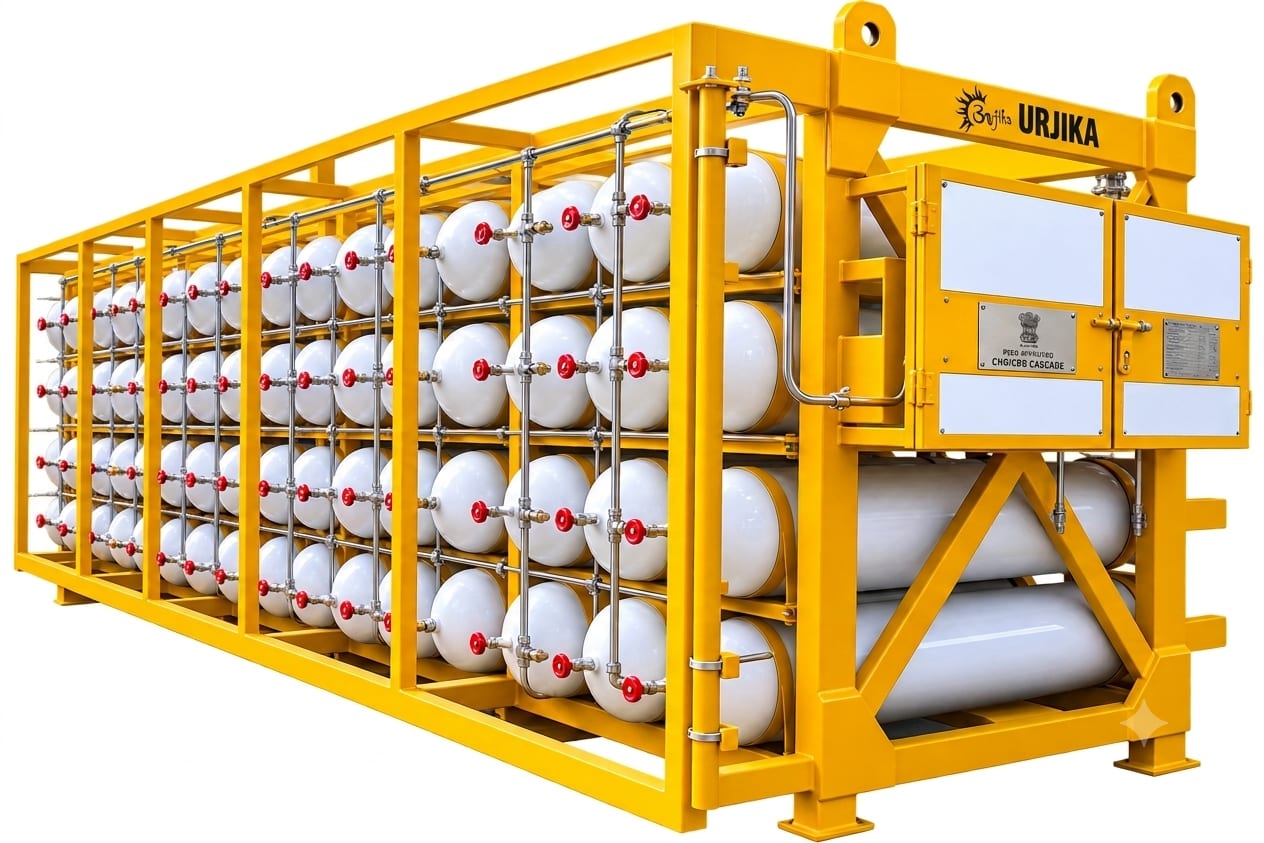
CNG/CBG Cascades
15 models in Type 1 steel and Type 3 / Type 4 composite, 3,000 – 9,600 WL, PESO-approved.
View cascades →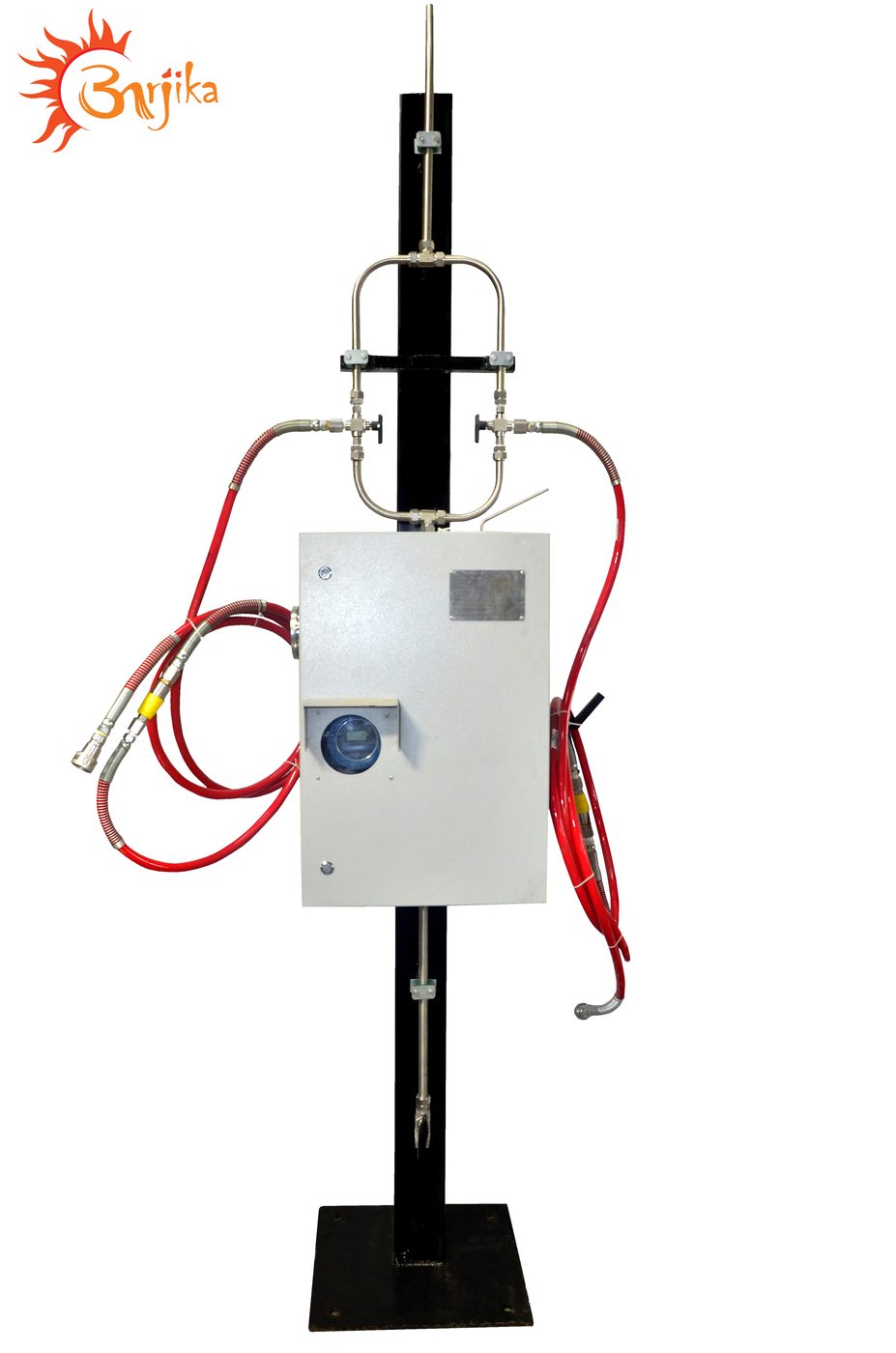
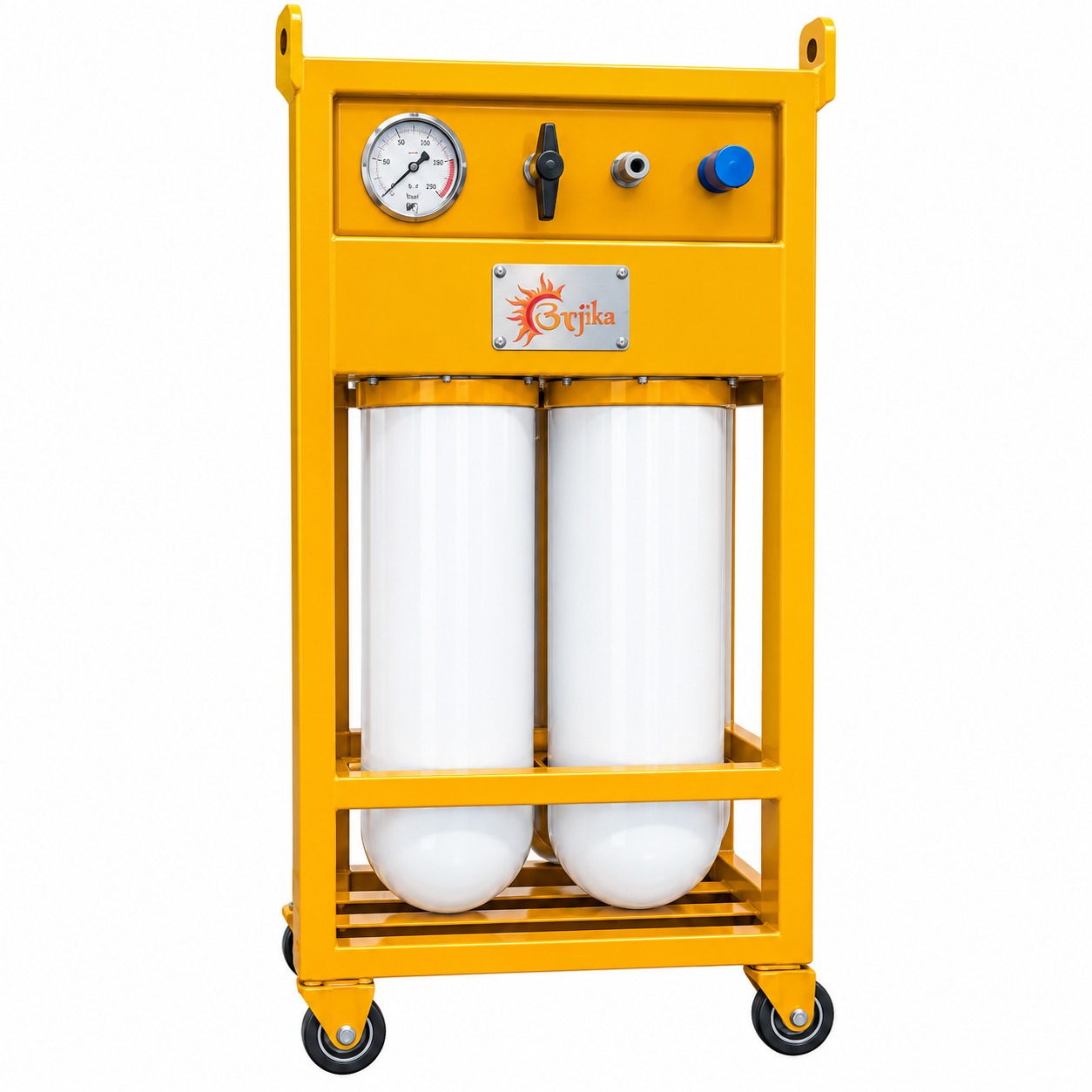
LCV Fill & Decant Posts
Filling posts at the CBG plant and decanting posts at the station, single or dual arm.
View LCV posts →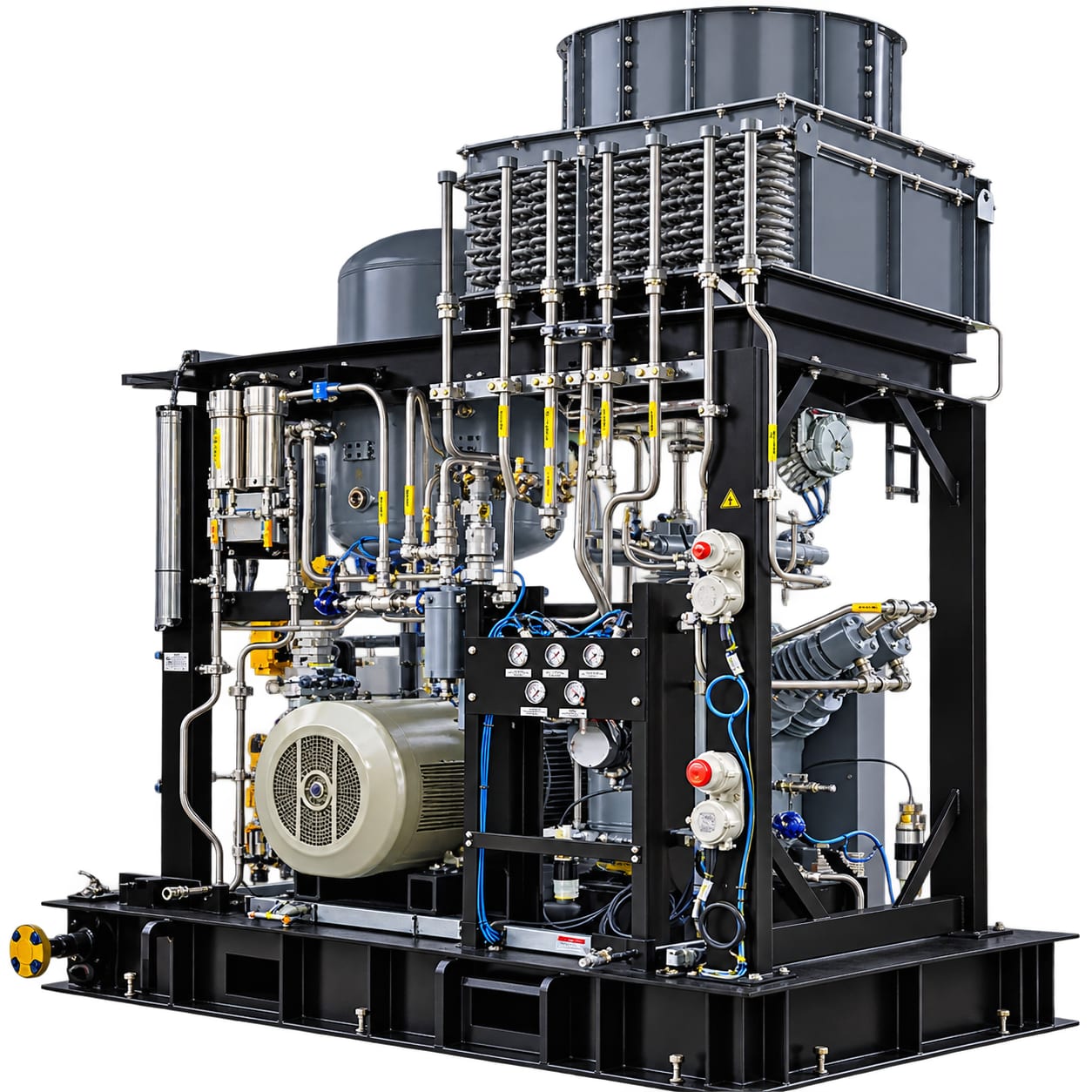
Compressors & Boosters
Plant compressors to fill cascades, and booster compressors to decant at the station.
View compressors →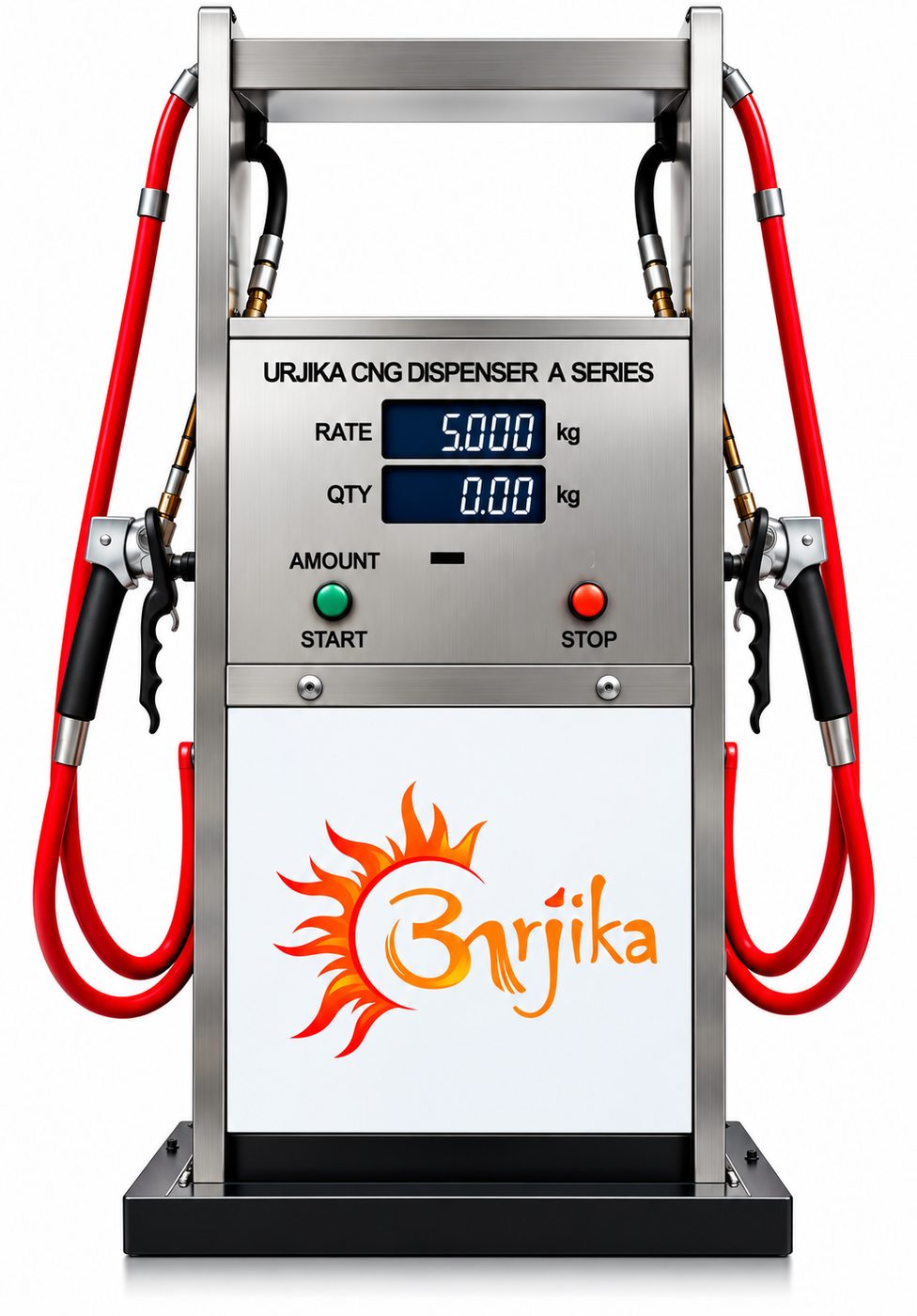
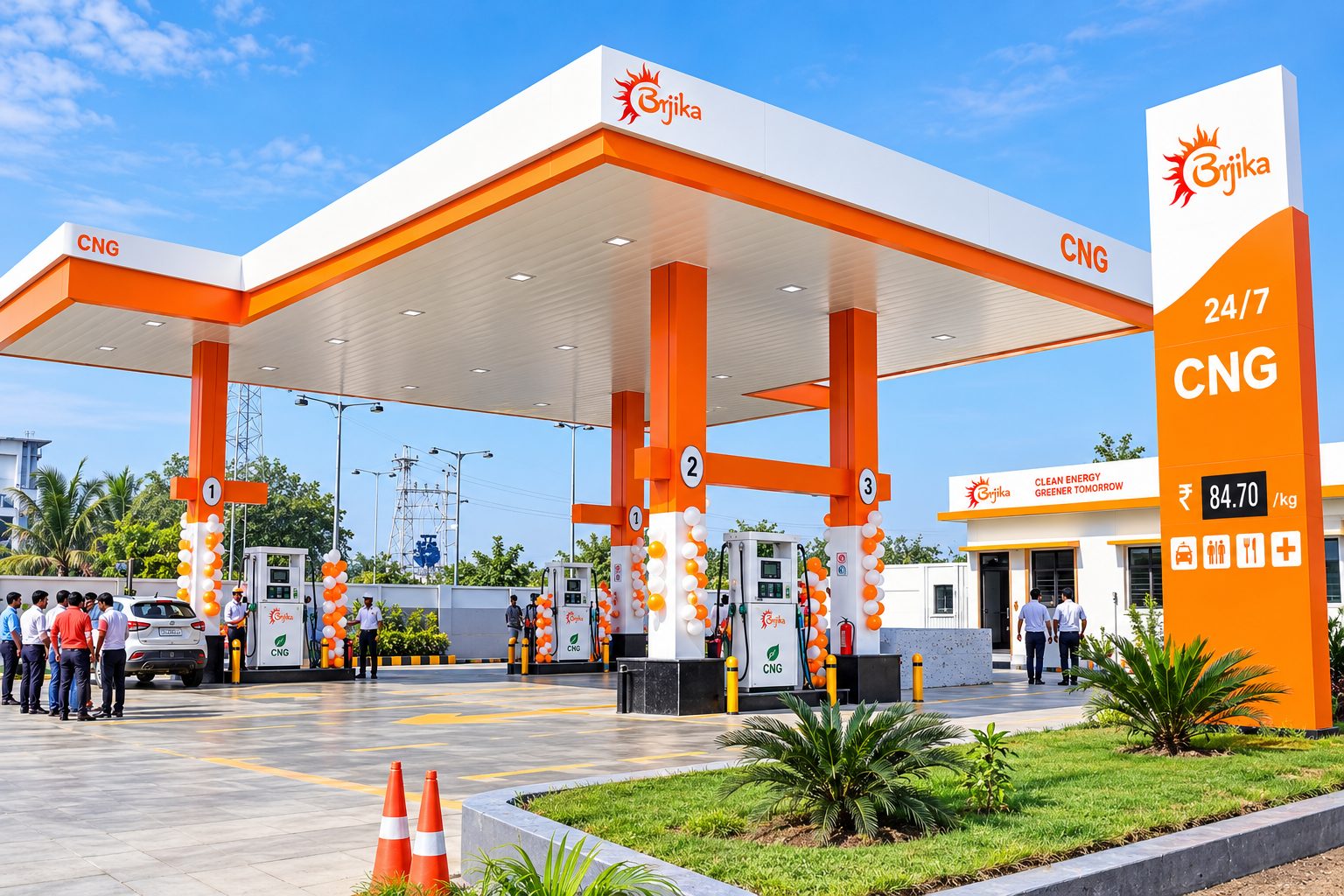
CNG/CBG Dispensers
Dispensers, tubing and safety systems to complete the CBG station.
View dispensers →Who uses cascade logistics
CBG plant owners
CBG / CNG station dealers
City gas distribution
Fleet operators
Industrial bulk users
Off-pipeline sites
From route study to first delivery
Before we size anything we ask three questions: how much CBG you will sell each day, where the stations are, and how your plant compressors are set up.
- 01
Share your numbers
Use the calculator, or tell us your daily sale, route and compressors. - 02
Route & site study
We check distances, road conditions and space at the plant and stations. - 03
Sizing & proposal
Cascade type, fleet size, posts and compressors — with a firm proposal. - 04
Manufacture & supply
Built and tested at our Greater Noida plant, with PESO approvals. - 05
Commissioning & support
Installation, operator training and after-sales service on site.
CBG cascade logistics — frequently asked questions
Q.How many cascades do I need for my CBG plant?
Q.How much CBG does one cascade carry?
Q.Why do I need more than one CBG station?
Q.Type 1, Type 3 or Type 4 — which cascade should I choose?
Q.What equipment is needed at the plant and at the station?
Q.Is the calculator result final?
Get a detailed proposal
Send us your details — your calculator result is attached automatically. Our engineer will call you to study your route.